Why Electronics Recycling Services Ensure Compliance
Green Initiatives: How E-Waste Recycling Services Are Protecting Our Planet
E-waste poses significant threats to the environment, as disposed electronics frequently harbor hazardous substances. These hazardous substances can contaminate soil and water, leading to broader ecological damage. E-waste recycling services present a viable solution. They not only recover valuable resources but also mitigate pollution. Comprehending the operation of these services and their influence on communities is of great importance. The path to successful electronic waste management prompts vital discussions about personal accountability and communal efforts. What actions should be considered going forward?
Why Electronic Waste Is Harmful to the Planet
While technological advancements improve our daily lives, e-waste creates significant environmental threats. Abandoned electronic gadgets, frequently composed of hazardous materials such as lead, mercury, and cadmium, may release harmful substances into soil and groundwater, creating hazards for both wildlife and human well-being. The accelerating rate of technological innovation leads to higher rates of electronics disposal among consumers, exacerbating the accumulation of e-waste.
Landfills, already burdened with waste, struggle to accommodate the growing volumes of discarded gadgets. Incineration, a common waste management technique, emits dangerous pollutants into the environment, degrading atmospheric conditions. Moreover, poor recycling procedures can cause e-waste to be sent to developing regions, where employees may disassemble electronics without sufficient safety precautions, leaving them vulnerable to harmful substances. This ongoing cycle of carelessness and inadequate management emphasizes the pressing necessity for responsible recycling initiatives that can lessen the harmful consequences of e-waste on our world.
What Is E-Waste and Its Importance?
E-waste, or electronic waste, includes obsolete electronic products such as computers, smartphones, and televisions that are no longer functional or needed. This increasingly prevalent form of waste is important due to its rapid accumulation, driven by technological advancements and consumer trends. As growing numbers of electronics become outdated, the toll on the environment grows more severe, with harmful substances like lead, mercury, and cadmium posing risks to ecosystems and human health.
The importance of addressing e-waste lies not only in mitigating these hazards but also in recognizing the valuable materials it contains. Precious metals and rare earth elements can be recovered and reused, reducing the need for mining and conserving natural resources. With a thorough understanding of e-waste and its impact, people and organizations alike can make educated decisions about disposal and recycling, helping to build a more sustainable world. Proper management of e-waste is essential for fostering a circular economy and promoting environmental stewardship.
How E-Waste Recycling Works
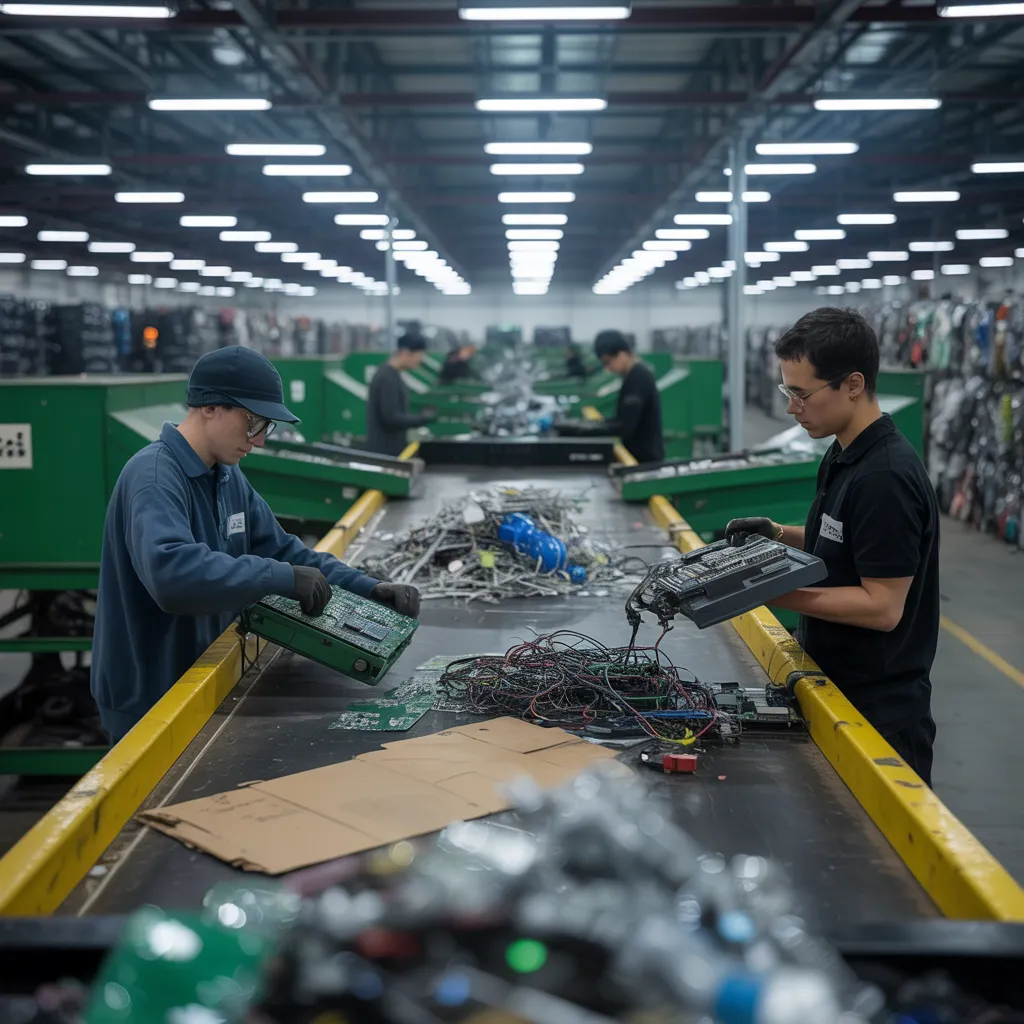
The recycling of e-waste encompasses an organized procedure aimed at reclaiming useful resources while limiting ecological damage. To begin, e-waste is collected and transported to specialized recycling facilities. After reaching the facility, the devices undergo thorough sorting to distinguish harmful elements from reusable resources.
Next, employees dismantle the electronics, recovering glass, metals, and plastics. This phase is essential, as it facilitates the retrieval of high-value metals like copper, gold, and silver, which may be utilized in new electronic devices.
Afterward, the sorted materials are handled via advanced techniques, such as shredding and specialized chemical treatments, to prepare them for recycling.
Ultimately, the leftover dangerous materials are managed properly, complying with environmental regulations. This systematic method not only saves important resources but also mitigates the risks associated with irresponsible electronic waste disposal, securing a more eco-conscious future for electronic device usage.
How E-Waste Recycling Benefits You and Your Community
While many individuals may not realize it, the advantages of e-waste recycling reach well past personal use to meaningfully influence entire communities. By carefully processing electronic waste, individuals contribute to a healthier environment, minimizing toxic components that can seep into soil and water. This responsible method actively safeguards local ecosystems and supports public health.
In addition, the recycling of e-waste encourages workforce growth within communities. Nearby recycling establishments regularly need employees for numerous tasks, covering everything from collection to processing, therefore offering work opportunities to area workers. This not only boosts the local economy but also encourages community engagement in sustainable practices.
Moreover, familiarity with e-waste recycling can lead to learning opportunities, empowering residents to make environmentally conscious decisions. By participating in e-waste recycling programs, individuals promote a culture of sustainability, motivating others to join the movement. All things considered, the shared impact of these actions can result in a more resilient and environmentally responsible community.
How to Select an E-Waste Recycling Service
Picking the best electronic waste recycling provider is crucial for guaranteeing that electronic refuse is managed in a responsible and sustainable manner. Initially, people should confirm the provider's accreditations, such as R2 or e-Stewards, which signify adherence to professional guidelines for safe recycling practices. It's also important to assess the organization's credibility by reading customer reviews and obtaining referrals from reliable sources.
Next, clarity in the recycling process is essential. A dependable company should provide clear information about the way e-waste is handled and how the materials are utilized. Moreover, evaluating the range of services offered can be beneficial; various firms may supply retrieval services or extend benefits for recycling.
In addition, understanding regional rules concerning e-waste disposal can additionally influence the decision-making process. Through focusing on these key aspects, individuals can contribute to responsible e-waste disposal alongside encouraging green and responsible behaviors.
How You Can Get Involved in E-Waste Recycling?
Getting involved with e-waste recycling often starts at the local level, where community recycling hubs regularly supply essential services for safe disposal. Furthermore, joining community awareness campaigns can strengthen efforts to educate others about the importance of ethical e-waste practices. These initiatives not only advance environmental sustainability but also cultivate a collective sense of stewardship of the environment.
Area Recycling Stations
Many neighborhood recycling stations fulfill a critical purpose in e-waste recycling, supplying communities with reliable ways to manage electronic waste appropriately. These facilities handle a variety of electronic equipment, including used computers, handheld devices, and televisions, ensuring that harmful materials are handled safely. Most stations have trained staff who help individuals navigate appropriate disposal procedures, underscoring the benefits of recycling compared to landfilling. Additionally, many centers offer drop-off events or designated collection days, making participation convenient for residents. By taking advantage of these neighborhood resources, individuals contribute to a circular economy, reducing environmental impact and promoting sustainable practices. Engaging with these centers encourages communities to fight e-waste pollution decisively.
Community Education Campaigns
Nearby organizations, schools, and enterprises can collaborate to host events that promote e-waste collection drives. Volunteers can play a pivotal role Click here in raising awareness, sharing informational resources, and connecting with local residents. By means of these joint initiatives, residents become more informed and motivated to recycle their electronic waste, ultimately contributing to a more sustainable future.
Frequently Asked Questions
What Kinds of Electronics Can Be Recycled?
Numerous electronics may be recycled, including smartphones, computers, laptops, televisions, printers, and gaming consoles. Moreover, accessories such as batteries, keyboards, and mice are equally appropriate for recycling, aiding in environmental conservation efforts.
Are There Any Costs Associated With E-Waste Recycling?
That's correct, e-waste disposal may involve fees, based on the facility. Some service centers apply costs for gathering or treatment, while some providers offer free services, typically funded by the resale of recovered materials.
How Do Businesses Gain From E-Waste Recycling?
Organizations can gain from e-waste recycling by minimizing disposal costs, improving their green reputation, adhering to regulatory requirements, extracting valuable resources, and creating potential earnings via resale, thereby fostering a more environmentally responsible business approach.
What Becomes of Data on Recycled Devices?
Information regarding refurbished electronics is often irretrievably wiped or obliterated during processing. This guarantees confidential data remains secure, stopping improper access while permitting resources to be repurposed safely and responsibly across new manufacturing processes.
Is It Possible to Recycle Damaged Electronics?
Yes, defective electronics are able to be recycled. Several facilities receive damaged devices, ensuring safe disposal and extraction of precious materials. This helps minimize environmental impact while supporting eco-friendly recycling methods to address e-waste effectively.